
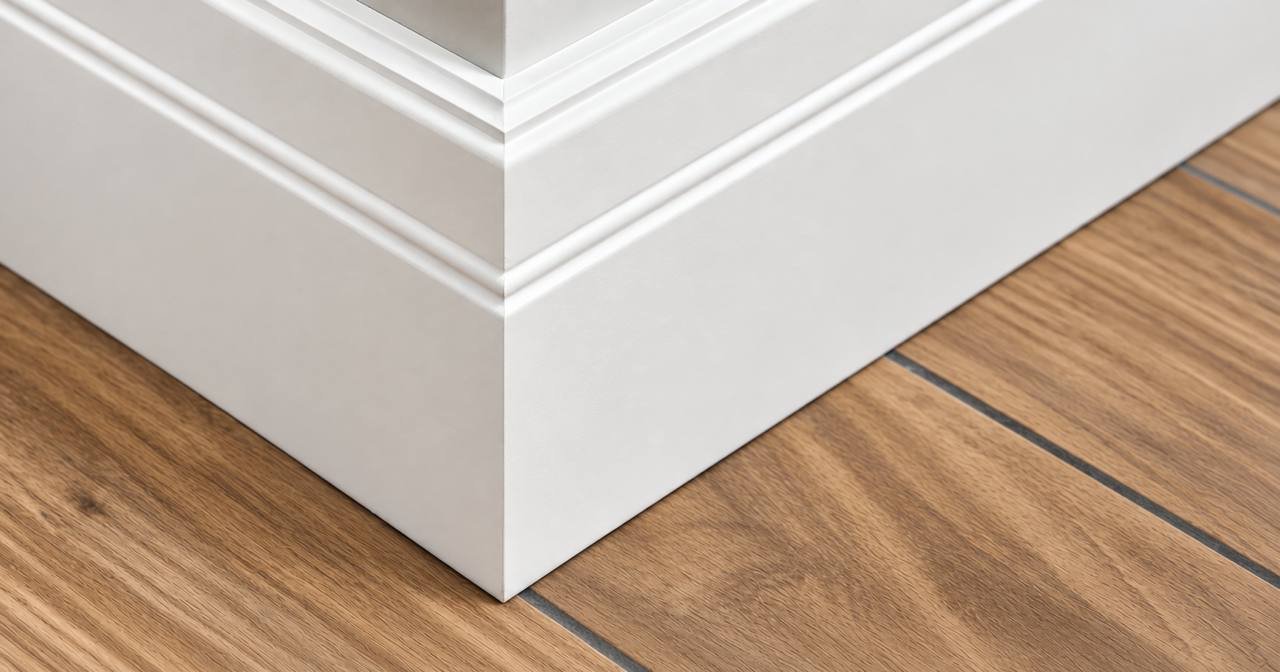
Baseboards may sit low on the wall, but they have a strong effect on how finished a room feels. They cover the floor-wall joint, protect the lower wall from scuffs, and create a clean visual frame around the room. When the style, height, color, and material are chosen well, trim can connect your flooring, walls, interior doors, and casing into one coordinated design.
For homeowners, builders, remodelers, and contractors, Discount Moulding offers practical interior finishing products for projects that need style and value. This guide explains how to choose trim that works with floors, walls, and doors without feeling plain, heavy, or mismatched.
Why Baseboard Style Matters
A baseboard is not only a functional edge. It is part of the room’s design language. A flat profile can feel modern, a taller curved profile can feel traditional, and white trim can sharpen wall colors.
The best baseboard style matches three things: the flooring material, the wall color, and the door package. If the floor has strong grain or pattern, simpler trim often works best. If the walls are plain and the doors have detail, a slightly more defined trim profile can add character. If the doors and casing are modern, the floor trim should usually stay clean and minimal.
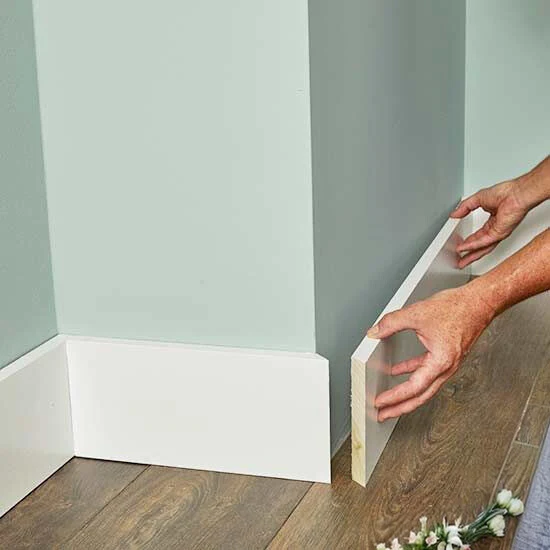
Match Trim With the Room Style
Modern interiors usually call for simple, square, and flat trim. These profiles keep the wall line clean and allow the flooring, furniture, and lighting to stand out. A plain profile with a crisp top edge can create a polished look without adding visual clutter.
Traditional rooms can support more detail. Curved edges, layered profiles, or cap details work well with raised-panel doors, classic casing, and warmer wall colors. The trim should repeat the level of detail already present in the room.
Farmhouse and transitional interiors often work well with simple but slightly taller profiles. These spaces usually include shaker doors, neutral walls, and wood-look flooring. Clean-lined baseboards add structure while keeping the room relaxed and easy to maintain.
Industrial or urban rooms can handle bold, square, or block-style profiles. These trim styles pair well with concrete-look floors, dark accents, black hardware, and flush or slab-style doors. Painted contrast can work here when it is repeated in other details.
Match Trim With Your Floors
Flooring covers more surface area than almost any other material in a room, so it should guide your trim choice. Hardwood floors often pair well with medium or taller trim because wood flooring has visual weight. White or cream trim creates a clean border around natural wood tones, while stained trim can work in traditional or craftsman-inspired interiors.
Luxury vinyl plank and laminate often have visible grain, color movement, or texture. If the floor already has a strong pattern, choose a quieter trim profile. A simple baseboard moulding profile can keep the space balanced and prevent the floor and trim from competing.
Tile floors need crisp transitions. In bathrooms, kitchens, laundry rooms, and entryways, choose a profile that is easy to clean and does not trap dust in deep grooves. Patterned tile usually works best with simple trim, while plain tile can support a slightly taller profile.
Carpet requires careful planning because the trim height and installation gap affect the final edge. The trim should allow the carpet to tuck cleanly underneath. For plush carpet, very short trim may not have enough visual presence after installation.
Match Trim With Wall Colors
Wall color changes how trim is seen. White trim remains popular because it creates a clean edge against almost any paint color. It works with modern, farmhouse, traditional, and transitional interiors.
Painting trim the same color as the wall creates a seamless look. This is useful in smaller rooms, low-ceiling spaces, or minimalist designs where you do not want the wall broken into sections. It can also make bold wall colors feel more refined.
Dark or contrasting trim creates a stronger statement. This works best when the darker color appears elsewhere in the room, such as on doors, window frames, cabinet hardware, furniture, or stair railings. Without repetition, dark trim can feel isolated.
Use this simple rule: high contrast makes trim stand out, while low contrast makes it blend in.
Match Trim With Interior Doors and Casing
Interior doors and casing should guide the final trim decision. A simple door usually needs simple trim. A detailed door can support a more decorative profile.
Shaker doors pair well with flat, clean profiles. This combination works for modern farmhouse, transitional, and contemporary interiors because the lines are clear and balanced.
Raised-panel doors work better with more traditional trim. A profile with a curved top, stepped shape, or cap detail can echo the detail in the door. This creates a classic finish without overdesigning the room.
Flush or slab doors need the cleanest trim approach. Square profiles and minimal detailing keep the room modern. If the door is painted a bold color, plan the wall and trim color together so the full design feels connected.
Base trim and casing should also feel related. They do not have to be identical, but they should match in color, scale, and general style. Narrow, simple casing can look strange beside heavy floor trim.
Choose the Right Height
Baseboard height should match ceiling height, room size, and the scale of the doors. Short trim works in small spaces, closets, and simple rooms where a subtle finish is enough. Medium-height trim is the most versatile option for standard ceilings, common interior doors, and most flooring types.
Tall trim can make a space feel more custom. It works well in larger rooms, homes with higher ceilings, and spaces with substantial doors or casing. However, it should not feel oversized. If the rest of the trim package is modest, very tall floor trim may look out of scale.
At Discount Moulding, buyers can compare base, casing, shoe, crown, and interior door options together, which helps the final package feel consistent. For projects near Tysons Corner, Baltimore, Charleston, Charlotte, Chicago, or surrounding areas, visiting a moulding showroom can make it easier to compare profiles, proportions, and finishes in person.
Choose the Right Material
Material affects cost, durability, finish, and maintenance. MDF is often used for painted trim because it has a smooth surface and consistent shape. It can be a practical choice for dry interior rooms where a clean paint finish is the priority.
Solid wood offers natural character and strength. It can be stained or painted, depending on the design. This option suits traditional interiors, craftsman-style spaces, and projects where the trim needs a more premium feel.
Finger-jointed wood uses joined wood pieces to create a stable painted trim product. It can be a strong choice when buyers want real wood construction with a consistent finish.
Common Matching Mistakes to Avoid
One mistake is choosing trim before reviewing the doors and casing. This can make the room feel disconnected. The profile, thickness, and color should relate to the door package.
Another mistake is using trim that is too small. Large rooms, tall walls, and open layouts often need more visual weight at the floor line.
Overusing ornate profiles is also a problem. If the floor has strong grain, the walls are bold, or the doors already include detail, heavy trim can make the space feel crowded.
Ignoring floor gaps and transitions can also affect the final result. Shoe moulding can help cover small gaps between the trim and flooring, especially with hardwood, laminate, and some vinyl installations.
Finally, avoid mixing too many trim styles across connected spaces. Different rooms can have slight variation, but open areas should feel consistent.
Best Pairings by Room
Living rooms often benefit from medium or tall profiles because they are main gathering spaces. Bedrooms usually work best with calm, simple trim in white, off-white, or a wall-matched finish. Kitchens need durable, easy-to-clean trim that pairs well with cabinets, tile, and luxury vinyl flooring.
Bathrooms and laundry rooms should use smooth profiles that support easy maintenance. Hallways and entryways need durable trim because these areas handle daily traffic. Consistent baseboards in these areas also help connect the home visually.
Final Tips for a Coordinated Finish
Choose trim after reviewing floors, walls, doors, and casing together. If the flooring or doors already have strong detail, keep the trim simple. If the room feels plain, a taller or more defined profile can add architectural character.
Use color with purpose. White trim creates clarity. Wall-matched trim softens the room. Dark trim adds contrast when repeated in other design details. Baseboards should support the room, not distract from it.
Conclusion
The right trim style depends on flooring material, wall color, door design, casing, ceiling height, and room use. Simple profiles work well in modern and transitional spaces, while more detailed profiles can support traditional interiors when they match the doors and casing.
For homeowners, contractors, and builders, Discount Moulding offers trim and interior door options that can help create a coordinated finish across one room or an entire property. Browse baseboard moulding Options to compare styles for your next project.
FAQs
What baseboard style works best with modern interiors?
Modern interiors usually look best with flat, square, and simple trim profiles. These styles support clean lines, smooth walls, and simple doors.
Should baseboards match the floor or the doors?
Baseboards usually look best when they coordinate with the doors and casing while complementing the floor. It does not need to match the floor exactly, but the color, height, and profile should feel balanced.
What color should trim be?
White and off-white are common because they work with many wall colors and flooring styles. Wall-matched trim creates a seamless look, while darker trim adds contrast when repeated in doors, hardware, or furniture.
What height is best for baseboards?
The best height depends on ceiling height, room size, and design style. Standard rooms often work well with medium-height trim, while larger rooms can support taller profiles.
Do I need shoe moulding with floor trim?
Shoe moulding is useful when small gaps appear between the floor and trim or when the flooring edge needs a cleaner finish. It is helpful with hardwood, laminate, and some vinyl flooring installations.
Can I use different trim styles in different rooms?
Yes, but connected rooms should stay consistent. Open areas should use the same or closely related trim profiles. Separate rooms can use different styles when the design clearly supports the change.
What material is best for painted trim?
MDF and finger-jointed wood are common choices. MDF offers a smooth finish, while finger-jointed wood provides real wood construction with good stability.