
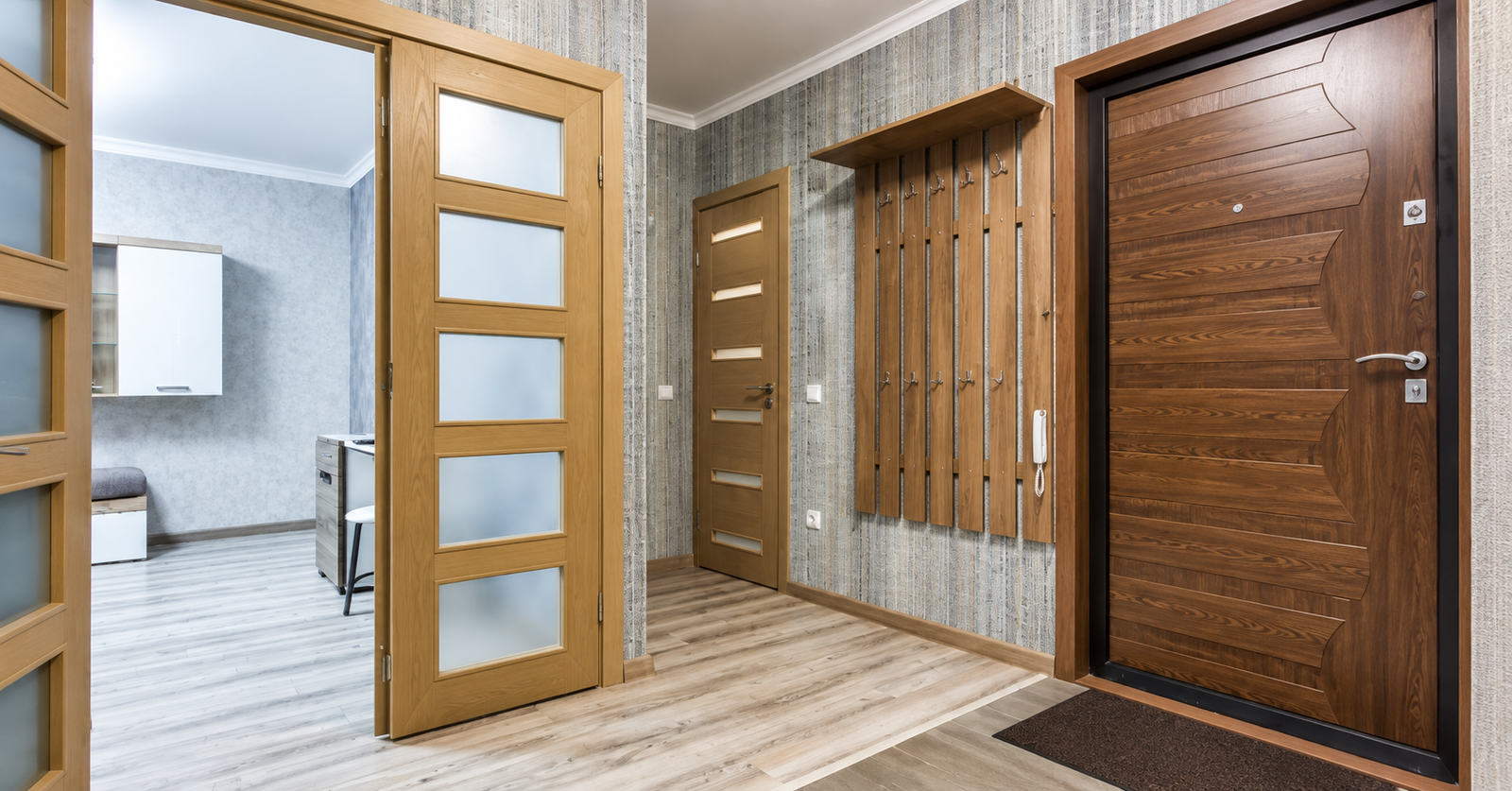
Small trim details can change the way a room looks, feels, and functions. A door or window may seem complete once it is installed, but the opening still needs a finished border to look polished. That is where casing matters. It covers gaps, frames the opening, adds definition, and helps the room feel finished. For homeowners, remodelers, contractors, and builders, door casing moulding is a practical upgrade that can improve an interior without changing the full layout. Discount Moulding offers trim options for projects where clean details, dependable availability, and strong value matter.
What Is Casing Around a Door?
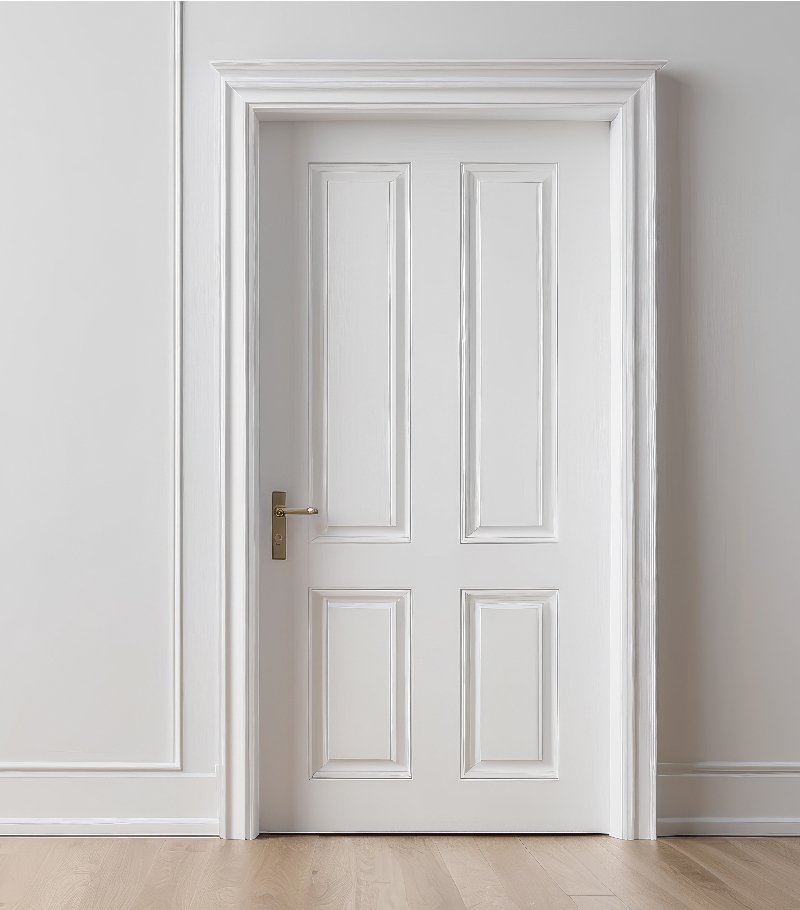
Door casing moulding is the trim installed around the sides and top of a door frame. Its main job is to cover the joint where the door jamb meets the wall. This makes the opening look clean instead of unfinished. It also adds shape, depth, and style to the room.
Casing is both functional and decorative. It hides rough drywall edges, frames the door, and helps the opening look intentional instead of flat. The same idea applies to window trim, which connects the window to the rest of the room.
Why Casing Makes a Room Look Finished
Casing is one of the first details people notice, even if they do not think about it directly. Clean trim lines make a room look cared for. Damaged, outdated, or mismatched trim can make even a freshly painted room feel incomplete.
Good casing trim defines the edges of doors and windows. It creates a clear border between walls and openings, giving the space more structure. In hallways, consistent casing can make the area feel cleaner and more organized.
Casing also supports the room’s design style. A simple flat profile can create a modern look; a detailed profile can support a traditional interior, and a wider squared profile can create a craftsman-style finish.
Door Casing and Window Casing Should Work Together
Door casing frames interior doorways and should coordinate with door style, jamb width, baseboards, and flooring. Window trim frames windows and can make them look larger, cleaner, or more architectural. These details do not always need to be identical, but they should feel related. Too many trim profiles can make a home feel visually scattered, so one consistent casing style is often the cleanest choice.
Popular Casing Styles for Different Interiors
Choosing the right door casing moulding starts with the style of the home. Simple flat casing works well in modern, transitional, and minimalist interiors. It has straight lines and pairs nicely with shaker doors, smooth walls, and clean hardware.
Traditional casing usually includes curves, steps, or decorative edges. This style works well in homes with raised panel doors, crown moulding, and classic room details. It can add character without making the room feel too formal.
Craftsman-style casing often uses wider boards and squared edges. It creates a stronger frame around openings and works well in bungalows, farmhouse-inspired interiors, and warm transitional homes.
Contemporary casing is usually slim, smooth, and understated. It is a good choice when the goal is a clean finish rather than a decorative statement. For customers comparing interior trim ideas, the best casing style is the one that supports the full room design, not just one doorway.
Choosing the Right Width and Proportion
Casing width affects how strong the trim appears. Narrow casing can work in small rooms and simple refresh projects. Wider casing creates more presence and can make doors and windows look more substantial.
Ceiling heights are important. Taller rooms can usually handle wider trims. Lower ceilings may need a balanced width, so the trim does not feel heavy. Door size also matters because a tall door can look under-finished if the casing is too thin.
Baseboard height should also guide the decision. Since casing and baseboards meet near the floor, their size and thickness should feel compatible. If the baseboard is tall and the casing is very narrow, the transition may look weak. If both are proportioned well, the trim package feels intentional.
Material Options for Casing
Material choice depends on budget, finish, and project goals. MDF is a common option for painted interiors. It has a smooth surface and is often used for clean, cost-conscious trim projects. It works especially well when the casing is painted white or another solid color.
Finger-jointed pine is another practical choice. It is stable, paint-ready, and commonly used by contractors and builders for interior projects. It gives a clean finished look while staying suitable for many budgets.
Solid wood may be preferred when the trim is stained or when natural grain is part of the design. It can create a premium look, but it usually costs more and requires careful finishing.
The best door casing moulding material is the one that fits the room, finish, installation plan, and budget. For many painted interiors, MDF or finger-jointed pine can provide a clean and reliable result.
How Casing Works with Other Trim Elements
Casing should be chosen as part of the full trim package. It needs to work with baseboards, crown moulding, shoe moulding, door style, wall color, and flooring. When these details are planned together, the room looks more complete.
Baseboards and casing meet at the bottom of the doorway, so they should not clash in thickness or style. Crown moulding also affects the overall look. A detailed crown profile can pair well with traditional casing, while a clean crown profile often looks better with flat or modern casing. Discount Moulding helps customers choose trim options that can work across doors, walls, and room styles. Interior doors matter too. Shaker doors often pair best with clean casing, while raised panel doors can support more decorative trims.
When Should You Replace Casing?
Casing is often replaced during door installation, window updates, flooring projects, or room remodels. When a new door is installed, old casing may not match the new slab or may be damaged during removal. Replacing it at the same time gives the opening a cleaner final result.
A remodel is also a good time to update door casing moulding. New trim can make fresh paint, flooring, cabinets, and fixtures look more finished. It can also help older homes feel cleaner without changing the room layout.
Replacement may be needed when existing casing is cracked, swollen, dented, uneven, or poorly painted. Gaps at corners, water damage near openings, and mismatched profiles are also signs that new casing would improve the room.
Casing Ideas for Different Rooms
In living rooms, casing can frame large openings and windows while helping connected spaces feel more structured. A slightly wider profile can add polish without making the room feel formal.
In bedrooms, simple casing creates a calm and finished look. Since bedrooms often include entry doors, closet doors, and windows, consistency is important.
In hallways, casing has a major visual effect because many doorways may be visible at once. Consistent door casing moulding can make the hallway feel cleaner, brighter, and more organized.
In kitchens and dining areas, casing should work with cabinets, flooring, and wall color. A clean profile often works well when the space already has strong cabinet lines, tile, or lighting details.
Buying Casing for a Project
Before ordering casing, measure each door and window opening carefully. Include both sides of each door if both sides need to trim. Add extra material for cuts, waste, and mistakes. This helps avoid delays during installation.
Choose a consistent profile before the project begins. Changing trim styles halfway through a project can create visual inconsistency and slow down installation. For multi-room projects, confirm that enough material is available before work starts.
Pickup, delivery, and inventory are also important. In-stock trim helps contractors, remodelers, landlords, and homeowners keep projects moving in areas such as Tysons Corner, Baltimore, Charlotte, Charleston, and Chicago.
Common Mistakes to Avoid
One mistake is choosing a casing that is too small for the room. Thin trims can disappear around tall doors or large windows. Another mistake is choosing a style that does not match the door or baseboard.
Mixing too many profiles can also create a cluttered look. A home does not need every trim of detail to be identical, but the profiles should feel connected. Consistency is especially important in hallways, open layouts, and multi-room updates.
Finish quality matters as much as profile choice. Nail holes should be filled, joints should be tight, and paint should be smooth. Even the best casing profile can look unfinished if installation details are rushed.
Why Casing Is a Smart Interior Upgrade
Door casing moulding is a smart upgrade because it improves the finished look of a room without major construction. It can make old doors look cleaner, help new doors feel complete, and create a consistent style throughout the home.
For homeowners, casing is a manageable refresh. For contractors, it affects how clients judge the final result. For property managers and flippers, updated casing can help rooms look cleaner, newer, and move-in ready. Casing is flexible enough for modern, traditional, craftsman, and transitional spaces. When selected carefully, it makes the whole room feel complete.
Conclusion
Door and window trim may be a small detail, but it has a major effect on the finished room. It frames openings, hides gaps, improves proportion, and connects doors, windows, baseboards, and walls into one cleaner design. Whether you are updating one room or planning a full property refresh, the right door casing moulding
can make the space look more polished and intentional.
For the best result, select a casing style that works with your doors, baseboards, ceiling height, wall color, and overall design. Measure carefully, keep profiles consistent, and plan material needs before installation starts.
Need help choosing the right casing moulding for your project? Contact Discount Moulding today to discuss your requirements, explore available styles, and get started on creating a coordinated, polished interior.
FAQs
What is the purpose of casing around doors and windows?
This trim covers the gap between the wall and frame while creating a finished border around the opening.
Should door and window trim match?
They should usually match or coordinate. Matching casing creates the most consistent look.
What is the best casing style for a modern home?
Simple flat casing is often best for modern homes because it works with shaker doors, smooth walls, and clean hardware.
How wide should casing be?
Casing width depends on ceiling height, room size, door size, baseboard height, and design style.
Can replacing casing make a room look newer?
Yes, replacing old or damaged casing can make a room look cleaner, especially with new paint, flooring, or interior doors.
Is MDF or wood better for casing?
MDF is practical for painted interiors. Wood is better for stained trim or designs where natural grain matters.
When should casing be replaced?
Replace casing during door replacement, window updates, remodels, or when trim is cracked, swollen, dented, outdated, or inconsistent.