
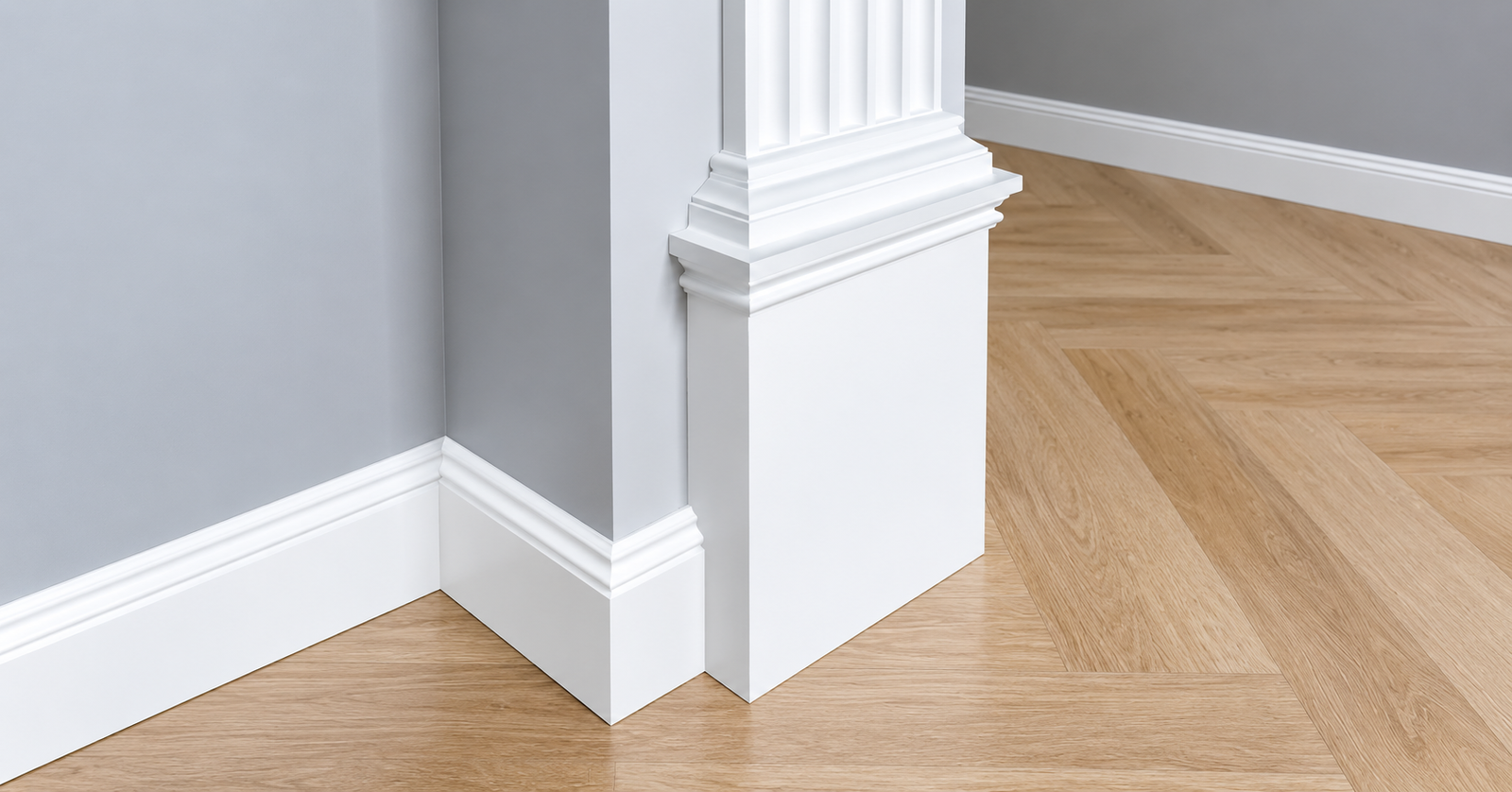
A finished room is not defined only by paint, furniture, or flooring. The details around the edges often decide whether a space feels plain or intentionally designed. One of the most effective ways to create that polished look is through crown moulding. It adds structure where the wall meets the ceiling, softens sharp transitions, and gives the room a more complete architectural appearance.
For homeowners, contractors, and remodelers, the right trim profile can make a major visual difference without requiring a full renovation. Discount Moulding offers practical trim and interior door options for projects that need quality materials, consistent profiles, and accessible pricing.
Whether the goal is to update one room or refresh an entire property, thoughtful trim selection helps the finished space look cleaner, more balanced, and more valuable. This guide covers ideas for living rooms, bedrooms, kitchens, dining rooms, hallways, and modern interiors, so you can choose a look that fits the room, the ceiling height, and the overall design style.
Why Crown Moulding Makes a Room Look Complete
The line where walls meet the ceiling can look unfinished, especially in rooms with plain drywall edges or simple paint transitions. Crown moulding creates a clear visual border that makes this connection feel intentional. Instead of leaving the ceiling edge bare, it frames the room and adds a sense of completion.
It also adds architectural detail without changing the layout. A room can keep the same flooring, furniture, and wall color, yet feel more refined once the upper trim is installed. This makes it useful for both older homes that need refreshed details and newer homes that feel too builder basic.
Another advantage is the style definition. A detailed profile can make a room feel traditional or formal. A clean, simple profile can support a modern or transitional design. Larger profiles can make spacious rooms feel grander, while smaller profiles can quietly finish compact rooms without overwhelming them.
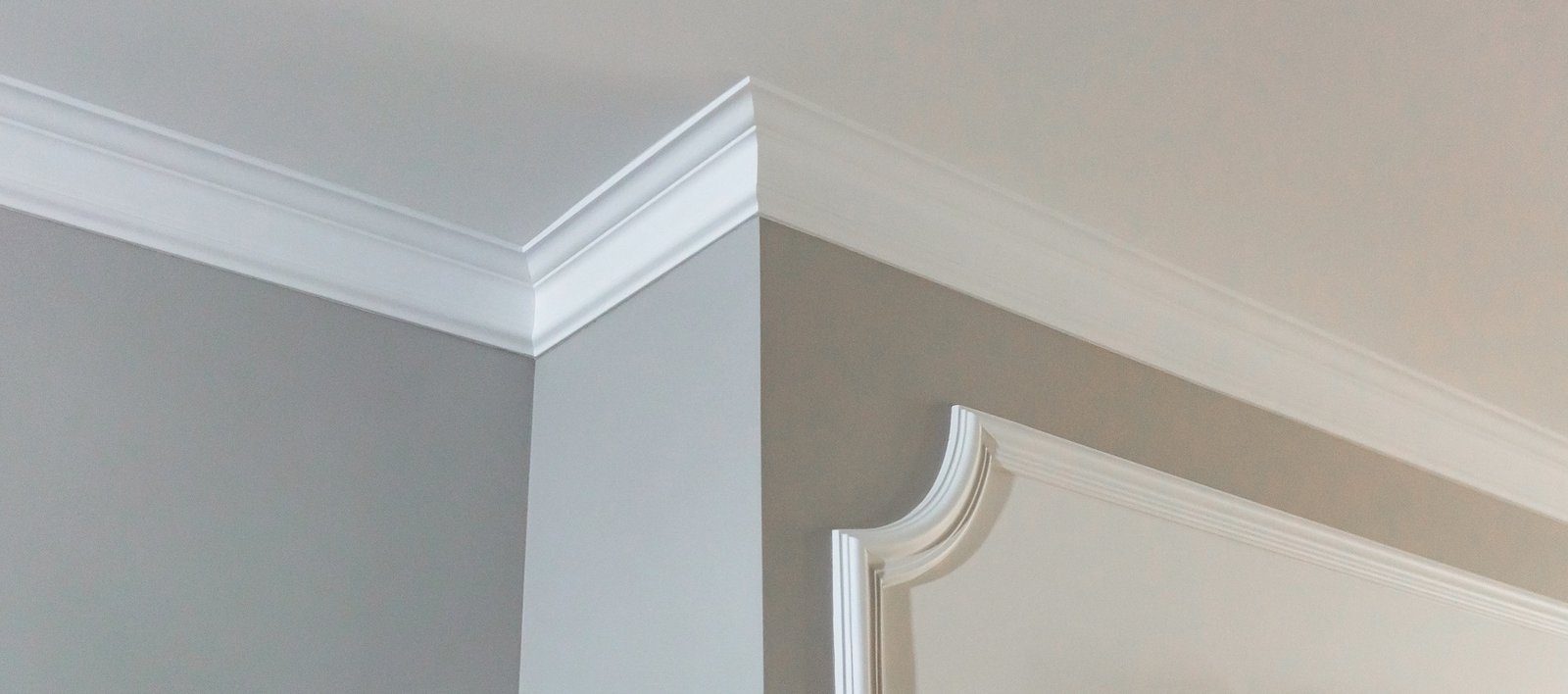
Classic Crown Moulding Ideas for Living Rooms
Living rooms often benefit from stronger trim details because they are common gathering spaces. A classic profile works well in formal living rooms, sitting rooms, and open family areas where the homeowner wants more depth and character.
For a traditional look, choose a profile with gentle curves or layered detail. This type of trim pairs well with tall baseboards, framed windows, paneled doors, and warm wall colors. When the trim is painted white or off-white, it creates contrast and highlights the room’s architecture.
In larger living rooms, scale matters. A small profile can look undersized if the ceiling is high, or the room is wide. A larger profile helps the trim feel proportionate to the space. If the room already has detailed casing around windows and doors, select an upper trim style that complements those features instead of competing with them.
For open-concept living areas, consistency is important. Running the same profile through connected spaces can help the layout feel cohesive. This is especially useful when the living room connects to a dining area, hallway, or kitchen.
Simple Ideas for Modern Interiors
Modern rooms do not always need heavy detail. In many cases, the best approach is a clean and understated profile. Simple lines can make the wall-to-ceiling transition look finished while keeping the space calm and minimal.
Homeowners who prefer contemporary design can choose flat, stepped, or lightly curved crown molding styles rather than ornate patterns. These profiles work well with neutral walls, wide-plank flooring, shaker doors, and streamlined furniture.
Paint color also changes the effect. White trim against colored walls creates a crisp edge and makes the room feel fresh. Painting the trim in the same color as the walls creates a softer, more seamless look. This approach is helpful in rooms where the homeowner wants architectural detail without strong visual contrast.
In rooms with lower ceilings, simple trims are often the better choice. Heavy profiles can make the ceiling feel closer, while lighter designs keep the space open. A narrow profile can still make the room look complete without drawing too much attention.
Ideas for Bedrooms
Bedrooms should feel calm, comfortable, and finished. Crown moulding can add a soft frame to the room and make the space feel more intentional. It works especially well in primary bedrooms where homeowners want a refined look without using decorative wall treatments.
For a peaceful bedroom design, use a medium or subtle profile with neutral paint. This creates detail without making the room feel too formal. Pairing the trim with soft wall colors, simple window casing, and clean baseboards can make the bedroom feel cohesive.
In smaller bedrooms, avoid profiles that are too large or ornate. A smaller upper trim can still add polish while preserving a sense of openness. This is useful in guest bedrooms, children’s rooms, and secondary bedrooms where the ceiling height may be standard.
Coordinating trim throughout the bedroom also matters. If the door casing, baseboards, and window trim are simple, the upper trim should follow the same design language. A room feels more finished when all trim elements appear planned together.
Ideas for Kitchens and Dining Rooms
Kitchens and dining rooms can use trims in different ways. In kitchens, upper trims can make cabinets look more built-in, especially when there is a visible gap between cabinet tops and the ceiling. A clean trim detail can visually connect cabinetry to the room architecture and reduce the appearance of empty space.
In dining rooms, trim often supports a more formal setting. A classic profile can add elegance above a dining table, especially when paired with chair rail, picture framing, or taller baseboards. The result is a room that feels ready for hosting, family meals, and special occasions.
The profile should still match the purpose of the space. Busy kitchens usually benefit from practical, clean profiles that are easy to paint and maintain. Dining rooms can often handle more decorative profiles because the space is usually less exposed to moisture, grease, and frequent cleaning.
For renovation projects that include doors, casing, and baseboards, Discount Moulding can help customers select trim pieces that work together across the full interior package. This makes it easier to avoid mismatched details from room to room.
Ideas for Hallways and Entryways
Entryways create the first impression of a home. Even when the area is small, a well-selected trim profile can make the space feel more polished. A simple foyer with clean walls can look more complete when the ceiling line is framed properly.
Hallways also benefit from consistency. They connect rooms, so trim continuity helps the home feel organized. When the same upper trim runs from the entryway into nearby rooms, the design feels connected rather than pieced together.
Narrow hallways need careful sizing. Oversized trims can make the space feel tight, while a smaller or medium profile provides the right amount of finish. If the hallway has several doorways, coordinate the upper trim with the casing around each door to maintain a balanced look.
Good lighting also enhances the effect. Recessed lights, sconces, or natural light can create subtle shadows along the profile, making the hallway feel more dimensional without adding clutter.
How to Choose the Right Size and Profile
The right trim size depends on ceiling height, room scale, and existing interior details. Rooms with standard eight-foot ceilings usually need smaller or medium profiles. Taller ceilings can support larger profiles because there is more vertical space to balance the design.
The room’s size also matters. A large living room or dining room can visually support wider trims. A small bedroom or hallway usually looks better with a lighter profile. Choosing the wrong scale can make the trim feel either too weak or too heavy.
Existing trims should guide the decision. Baseboards, casing, interior doors, and shoe moulding all contribute to the final look. If the home has simple shaker doors and clean baseboards, a highly ornate ceiling trim may feel out of place. If the home has traditional doors and detailed casing, a more classic profile may fit naturally. Before buying materials, measure carefully and consider corners, ceiling height, wall length, and installation complexity. Accurate planning helps reduce waste and creates a smoother installation process.
Should the Trim Be Painted or Stained?
Painted trim is the most common choice for many homes because it works with a wide range of interior styles. White and off-white are popular because they create a clean, bright border around the room. These colors also coordinate well with most doors, baseboards, and casing.
For a softer effect, the trim can be painted the same color as the walls. This creates a subtle architectural detail that does not interrupt the room visually. In modern interiors, this approach can feel clean and high-end.
Stained trims are another option, especially in homes with natural wood doors, wood floors, or traditional design features. It creates warmth and can add a classic feel. However, stained trim requires careful coordination with other wood tones in the room. If the floor, doors, and cabinetry all have different undertones, the result can feel inconsistent.
The best finish depends on the room’s style, lighting, and surrounding materials. The goal is not just to choose a beautiful profile, but to make sure the finish supports the entire interior.
Common Mistakes to Avoid
One common mistake is choosing a profile that is not proportional to the room. Trims that are too small may disappear, while trims that are too large can overpower space. Ceiling height and room size should always guide the selection.
Another mistake is mixing too many styles. A home with modern doors, traditional baseboards, ornate casing, and a different upper trim style can feel visually confusing. Consistency creates a cleaner result and makes the renovation look more professional.
Poor installation planning can also reduce the impact. Uneven corners, rough cuts, and gaps can make even quality materials look unfinished. Proper measuring, careful cutting, and clean finishing are essential.
It is also important not to choose upper trim in isolation. The best results come when the full trim package is considered together. Baseboards, casing, shoe moulding, doors, and upper trim should all support the same design direction.
Ideas by Interior Style
Traditional homes usually look best with detailed or layered profiles. These designs pair well with formal living rooms, dining rooms, paneled doors, and classic paint colors. A taller profile can help enhance rooms with higher ceilings.
Transitional homes often benefit from medium profiles with clean lines. This style blends traditional warmth with modern simplicity, making it suitable for many current renovations.
Modern homes usually need minimal detail. A smooth or lightly stepped profile can finish the ceiling line without making the room look too decorative. Painting the profile to match the wall or ceiling can make the design feel even cleaner.
Farmhouse and cottage interiors usually work well with simple, approachable trims. Pairing white trim with shaker doors, natural flooring, and soft wall colors creates a comfortable finished look.
When to Add This Upgrade During a Remodel
The best time to install upper trim is before painting. This allows the trim, walls, and ceiling edges to be finished cleanly together. It also reduces the need for touch-ups later.
It is also smart to add trim when replacing baseboards, casing, or interior doors. A full trim update creates a more consistent result than changing one element at a time. For homeowners renovating several rooms, selecting all trim materials together can improve continuity.
This upgrade can also help before selling a home. Buyers may not always identify the exact trim of detail, but they often notice when rooms feel complete and well maintained. A finished ceiling line can make photos look cleaner and help interiors feel more move-in ready.
Conclusion
Small details can change how a room feels. The right upper trim can make walls and ceilings look connected, add structure to plain spaces, and support the overall interior style. Whether the room is traditional, modern, transitional, or casual, the best result comes from choosing the right size, profile, and finish.
For homeowners, contractors, and remodelers planning an interior update, Discount Moulding provides practical options for trim, doors, and related materials that help rooms look more complete. If you are updating one room or planning a larger renovation, choose a profile that fits the ceiling height, room scale, and surrounding trim. Shop crown moulding to create a cleaner, more finished look throughout your home.
FAQs
Does this trim make a room look bigger?
It can make a room feel taller or more complete when the size and color are chosen correctly. A lighter profile painted in white or a color close to the wall can visually lift the room. However, an oversized profile in a small room may make the ceiling feel lower.
What rooms look best with upper trim?
Living rooms, dining rooms, bedrooms, entryways, hallways, and kitchens can all benefit from it. Formal rooms often suit more detailed profiles, while bedrooms and modern spaces usually look better with simpler designs.
Should upper trim match the baseboards?
It does not need to be identical, but it should coordinate with the baseboards, casing, doors, and other trim details. Matching the finish and general style helps the room feel more cohesive.
What size profile should I choose?
Choose based on ceiling height and room size. Standard ceilings usually need smaller or medium profiles, while higher ceilings can handle larger profiles. Existing trims should also influence the decision.
Is this type of trim still popular in modern homes?
Yes, modern homes often use simpler profiles rather than ornate designs. Clean lines can make a room feel finished while still supporting a minimal or contemporary style.
Should I visit a showroom before choosing materials?
Visiting a crown moulding showroom can help you compare profiles, sizes, and finishes in person. This is useful because trims can look different in real life than it does in photos, especially when you are coordinating it with doors, casing, and baseboards.